Laatste update: 02/03/2026
A sustainable purchasing policy is at the heart of environmentally friendly operations. By choosing low-impact products, a lodging not only lowers its own footprint, but also stimulates the market for responsible production.
1. Our Objectives: What do we want to achieve?
- MinimizingEnvironmental Impact: Giving priority to products that are produced in an environmentally friendly way with a minimum of raw materials and, in addition, are sustainably transported.
- Social Justice: Prefer Fairtrade products and suppliers who respect local employment and human rights.
- Circular Purchasing: Choosing products that are reusable, recyclable or made from recycled materials.
- Transparency in the Chain: Working with suppliers who can demonstrate their sustainability efforts through recognized labels.
2. Measuring is Knowing
Procurement must be documented to demonstrate improvement.
- Records: Keep a (simple) inventory of all consumables purchased (quantity, volume or cost).
- Monitoring Labels: Record what percentage of products carry a recognized eco-label. For example, Green Key requires this for a minimum of 75% of daily cleaning products.
- Annual Review: Review purchasing policies annually and increase ambitions for organic or local products where possible.
3. Practical Methods and Resources.
Stationery and Administration
- Ecolabels: Use only toilet paper, tissues and office paper with a recognized label such as EU Ecolabel, FSC, PEFC or Nordic Swan.
- Digitization: Replace paper processes (billing, check-in, info folders) with digital alternatives to eliminate paper consumption.
Cleaning and Care
- Cleaners: Choose concentrated products with automatic dispensing systems to reduce transportation impact and plastic waste.
- Dispensers: Replace individual containers for soap and shampoo with refillable dispensers in all guest rooms.
- Natural Materials: Use cleaning wipes made of natural fibers instead of synthetic microfibers that give off microplastics.
Food and Drink
- Local & Organic: Purchase products produced within a 30-100 km radius to reduce transportation emissions.
- Vegetarian offerings: Make sure at least 20% to 25% of dishes are vegetarian or vegan (meat has a huge water and carbon footprint).
- Seasonal: Tune the menu to the seasons to avoid energy-intensive greenhouse farming.
Durable Goods
- Textiles: Buy or rent linens (towels, bedding) with an eco-label or Fairtrade label.
- Appliances: When replacing appliances, choose those with the highest energy rating (A or B) and avoid minibars if possible.
- Used & Upcycling: Consider purchasing quality second-hand goods or repairing/upcycling your own furniture.
4. The Financial Impact
In some cases, sustainably labeled purchases are (slightly) more expensive than their more common counterparts. In other cases, they can actually be cheaper. Think second-hand furniture, etc …
But still, in general, make these reservations:
- Quality over Quantity: High-quality textiles and durable goods last longer, which can reduce replacement costs in the long run.
- Bulk advantages: Purchasing in bulk (for dispensers or cleaning concentrates) lowers the unit price and reduces logistics costs.
- Waste reduction: Purchasing less packaging directly means lower waste disposal costs.
5. Planetary Frontiers and Social Impact.
Your purchasing policy contributes to the bigger picture:
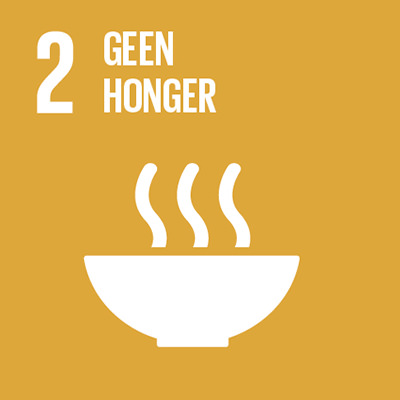 | 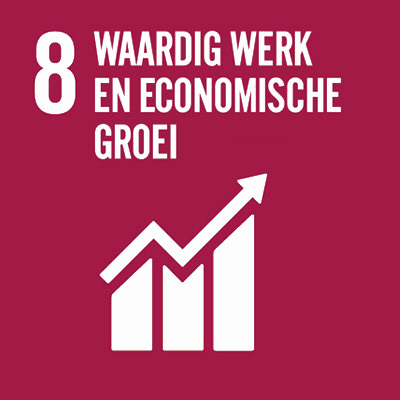 | 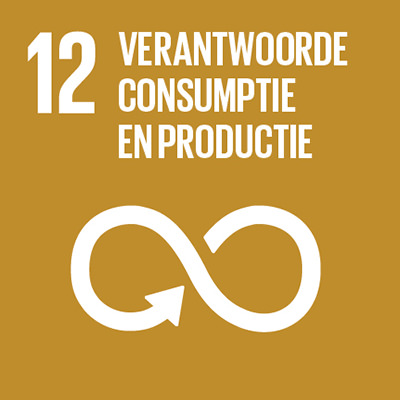 |
- UN SDGs: Procurement directly touches on SDG 12 (Responsible Consumption), SDG 2 (No Hunger – Sustainable Agriculture) and SDG 8 (Fair Work).
- Planetary Boundaries: Through chemical-free sourcing, you limit the introduction of new entities (Novel Entities) into the ecosystem and protect the land system through sustainable agricultural choices.
- Minimum Social Limits: Your procurement policy supports decent wages and safe working conditions throughout the supply chain.
6. More Information & Tools
- Global Sustainable Tourism Council (GSTC) Criteria.
- Green Key Belgium – Criteria & Explanation.
- EU Ecolabel for Tourist Accommodation
This guide is a living document. By working with local partners and sharing experiences, we are building journeys to tomorrow together.
Collective intelligence, stronger than artificial intelligence !


